


The historical evolution of gambling From ancient rituals to modern-day casinos
The historical evolution of gambling From ancient rituals to modern-day casinos
Origins of Gambling in Ancient Civilizations
The history of gambling can be traced back thousands of years to ancient civilizations where it was deeply intertwined with cultural and religious practices. In ancient China, around 2300 BCE, gambling was not merely a leisure activity; it involved significant rituals and beliefs. The Chinese used games of chance involving tiles and dice, which laid the groundwork for future gambling practices. Similarly, in Mesopotamia, clay tokens were utilized for betting on various outcomes, indicating that the urge to wager was a universal trait among early societies. Today, players can access real money online casinos australia that honor these ancient traditions while embracing modern technologies.

Moreover, ancient Romans incorporated gambling into their daily lives, using dice in games such as knucklebones. The Romans even legalized gambling during significant festivals, revealing the societal acceptance of betting. This early acceptance of gambling highlights how integral it was in fostering social interactions and entertainment, paving the way for its evolution into more structured formats.
The Middle Ages: A Shift in Gambling Practices
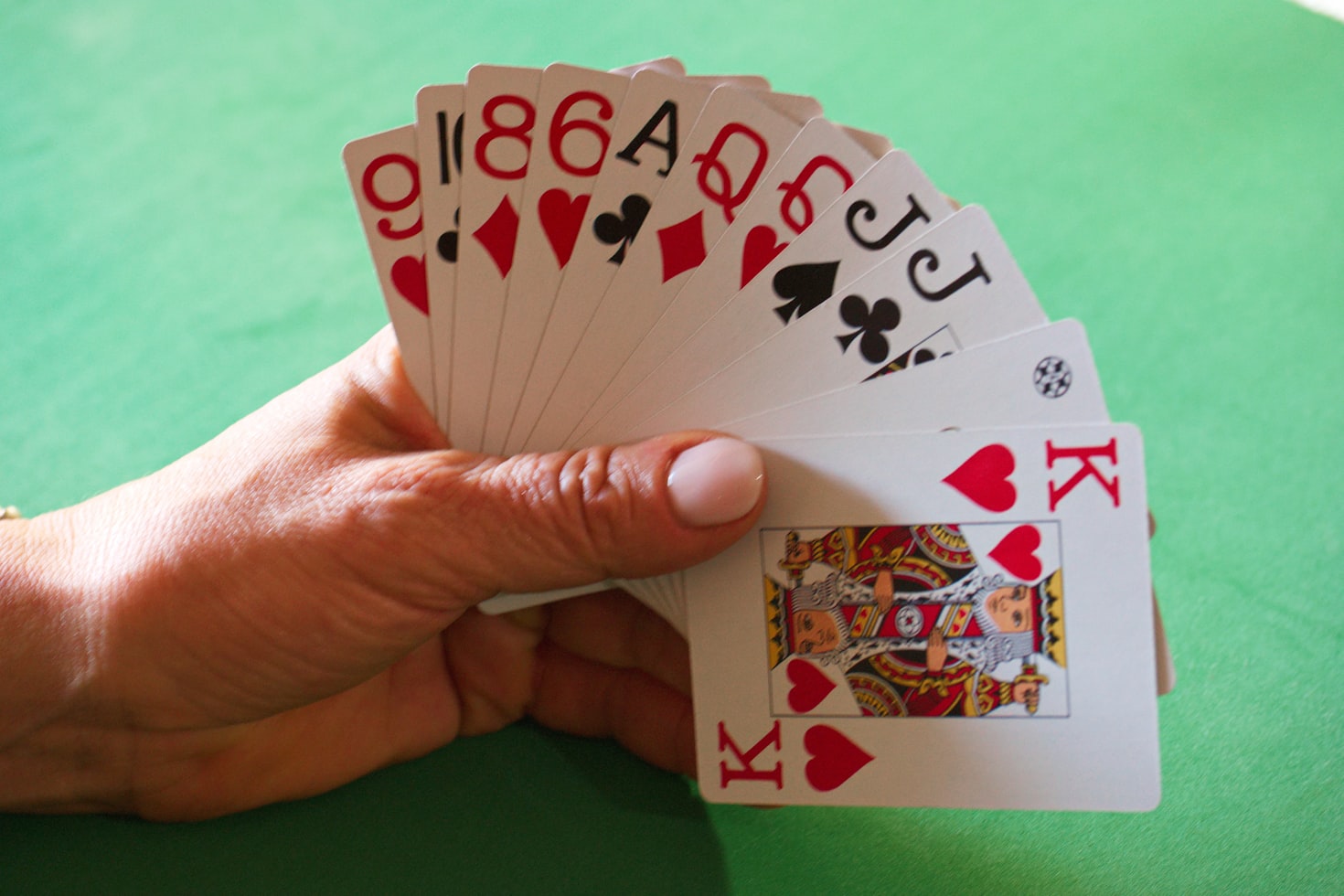
As the Roman Empire fell, gambling practices underwent significant transformations during the Middle Ages. With the rise of Christianity, many forms of gambling faced scrutiny and were often condemned. Despite this, underground betting continued, particularly in the form of card games, which became increasingly popular. The introduction of playing cards, believed to have originated in China, spread throughout Europe, transforming gambling into a more intricate and organized affair.
This period also saw the emergence of gambling houses, which can be considered precursors to modern casinos. These establishments began to offer various games, attracting the nobility and common folk alike. Even though gambling was often viewed with disdain, it persisted, reflecting the human fascination with risk and reward.
Renaissance and the Birth of Modern Gambling
The Renaissance marked a turning point in gambling history, as games evolved into more sophisticated forms. The introduction of the roulette wheel in the 17th century in France represented a significant leap in gambling entertainment. This period also saw the establishment of state-sanctioned lotteries, which became a source of public funding for various projects, thus normalizing gambling within society. The combination of skill-based games and chance began to appeal to a broader audience.
Additionally, the concept of gambling moved beyond mere entertainment; it became a social activity. The rise of casinos in Italy during this time signified a shift toward more structured environments where individuals could engage in games of chance. These establishments were not just about the games; they offered luxurious atmospheres that attracted wealthy patrons and set the stage for future casino development.
The 19th and 20th Centuries: Global Expansion
The 19th century witnessed the globalization of gambling practices. The development of casinos spread throughout Europe and into America, with cities like Monte Carlo and Las Vegas emerging as gambling capitals. The introduction of more formal regulations, including the establishment of gaming laws, helped shape the industry. This regulation aimed to maintain fair play and protect players, thus fostering a sense of trust and legitimacy in the gambling world.
Moreover, the 20th century brought technological advancements that transformed how people engaged with gambling. The invention of the slot machine and later, electronic gaming machines, revolutionized the casino experience. This technological shift led to a surge in popularity for casinos, making gambling accessible to a wider audience and prompting the establishment of grand casinos worldwide.
Ensuring Secure Gambling Experiences Online
In today’s digital age, the landscape of gambling has evolved once more, moving online and becoming more accessible than ever. Virtual casinos offer players the chance to engage in gambling from the comfort of their homes, but this shift has also brought about concerns regarding security and integrity. Our Bot Verification website is dedicated to ensuring a safe and secure online gambling experience. By distinguishing human users from automated bots, we protect sensitive information and enhance the overall integrity of online gaming platforms.
As the gambling industry continues to grow, our goal is to provide an environment where players can enjoy their experience without fear of fraud or security breaches. By implementing effective verification measures, we contribute to a safer online gambling community, ensuring that the rich history of gambling evolves responsibly in the modern world.